

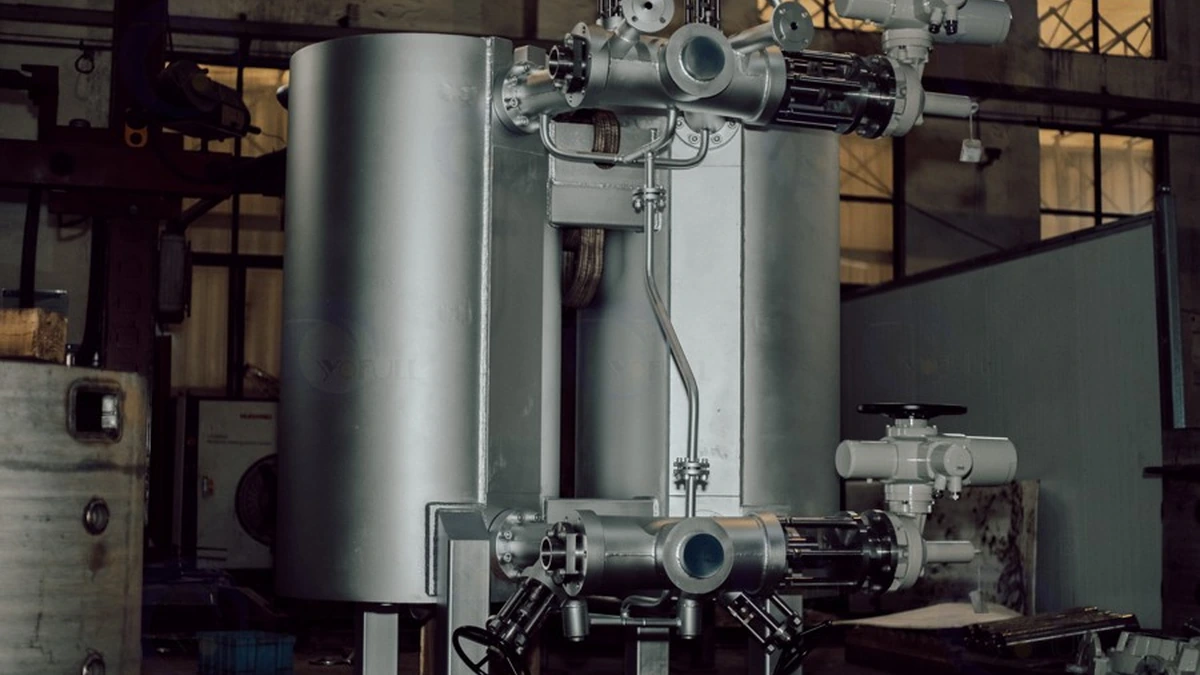
Black specks in PET yarn can prompt a request for finer melt filtration, especially when the removed candle looks clean. Suspected gels raise the same question. But neither appearance alone explains where the defects came from or whether a smaller micron rating would help.
For a PET spinning process engineer, the first task is to distinguish contamination passing through the medium, a path around it, and a source farther downstream. A finer element addresses only part of that investigation. The checks below help organize the evidence; they do not replace the plant’s approved procedures for hot, pressurized equipment.
Start with the timing and affected positions
The last acceptable sample and first affected sample help establish when the problem began. Did defects appear during steady production, after restart, or following a chamber changeover, element replacement or material change?
Location matters too. If one spinning position is affected while others sharing the upstream filter remain stable, the local melt path deserves attention. If several positions change together, shared equipment and material history become relevant. These patterns guide the investigation rather than establish a cause.
The comparison also needs a consistent inspection basis. Defect counts should relate to inspected yarn length or sample quantity; photographs need the position, time and magnification. Otherwise, differences between shifts may reflect different sampling rather than a change in product quality. A suspected gel remains a description until its identity is established.
Check installation and sealing records
An element replacement or chamber changeover shortly before the defects is a useful lead. Element identification, connections and assembly records help establish what was installed. For a twin-chamber filter, the switching time can be compared with the first defect record and available valve-position feedback.
A finer medium cannot correct an unsealed path around the filter. However, black specks alone do not prove bypass. Installation findings and operating history need to support that explanation.
Inspection of seating, seals or damaged connections requires the equipment’s approved isolation, cooling and maintenance procedure. Never open a system containing pressurized melt for inspection or sampling. Where permitted during maintenance, photographs of the removed element and residue before cleaning can preserve useful evidence. A visually clean candle does not rule out an intermittent event.
Read melt filter differential pressure in context
Differential pressure is inlet pressure minus outlet pressure, using readings from the same time. Sensor locations matter: if the measurement spans other equipment, the difference includes more than the filter’s loss.
A rise after an output increase is not enough to diagnose blockage. Throughput, PET grade and melt temperature belong beside the pressure trend. Likewise, low or steady readings do not establish that the medium and seals are sound. Comparison with a stable run at similar conditions is more useful than an unrelated line’s readings.
Temperature records need clear labels. A melt measurement, heating-medium temperature and jacket controller setpoint are different entries. Alarm and changeover limits should come from this installation’s approved documentation, not another filter model.
Follow the melt path downstream
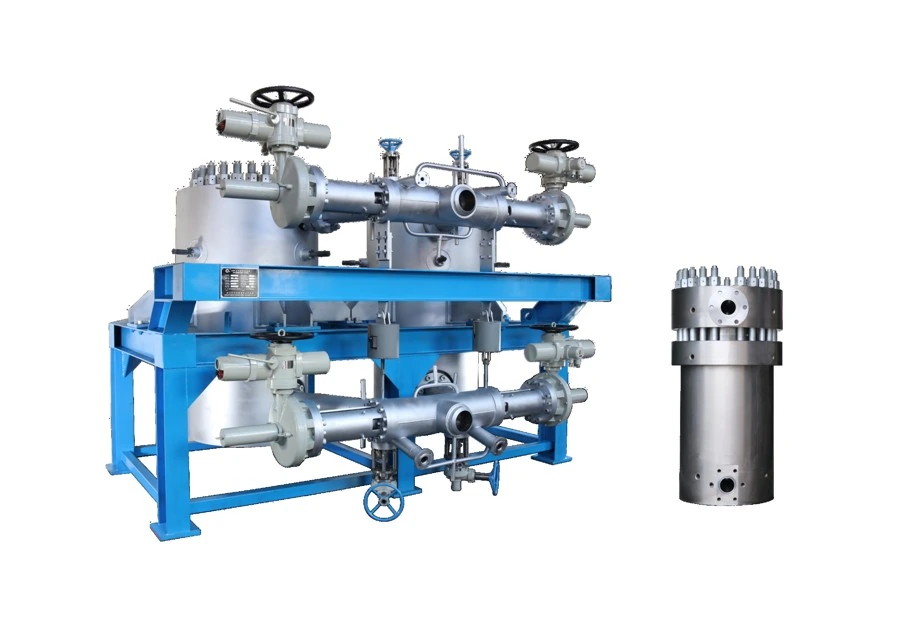
Yufeng Filter’s final polymerization melt filter serves a filtration point before downstream processing, including spinning. An upstream filter cannot capture contamination first introduced or formed after the melt has left it.
The review therefore includes transfer lines, valves and spinning packs, alongside their heating, restart and maintenance history. Extended holding periods may raise questions about retained or degraded material, but those questions still need evidence.
Where approved sampling points exist, comparable inlet and outlet samples can help assess retention. Grade, output, sampling time and preparation method need to be matched appropriately, allowing for melt travel time. A clear outlet sample does not exclude an intermittent event or a downstream source when the yarn remains affected.
Decide whether finer melt filtration fits the findings
Finer filtration is worth discussing when the evidence points to contamination reaching the filter and passing through its medium. The rating definition matters as much as the stated micron number. Gels also need care: a deformable inclusion may behave differently under pressure from a rigid particle of similar apparent size.
The assessment should consider media construction, effective filtration area, throughput, melt conditions and allowable differential pressure together. Finer pores can increase resistance. A smaller rating alone does not establish a longer operating cycle or a particular reduction in defects.
A trial needs a defined product-quality measure and an agreed comparison. Changing the rating, material and temperature together may make the result difficult to interpret. Any trial remains subject to plant approval and the equipment’s operating limits.
Bring the evidence to a technical discussion
The useful next question is more specific than “which finer filter should replace this one?” It may concern retention, an installation issue or a downstream source. The following record helps frame that discussion with Yufeng Filter.
| Record | Details to include |
| Line and material | PET grade or IV; filtration point; affected spinning positions |
| Defect and timing | Photos; inspection basis; last acceptable and first affected samples; restart or changeover events |
| Operating conditions | Throughput; inlet/outlet pressure; sensor locations; melt and heating temperatures |
| Installed filter | Element identification; medium and rating definition; assembly and service history |
| Checks and remaining question | Comparable samples; approved inspection findings; downstream checks; what still needs clarification |
These details can form the basis of a technical inquiry to Yufeng Filter. Available photographs, pressure trends and sample reports can guide the follow-up, so the choice of filtration grade follows the evidence rather than the defect’s appearance alone.